Stories
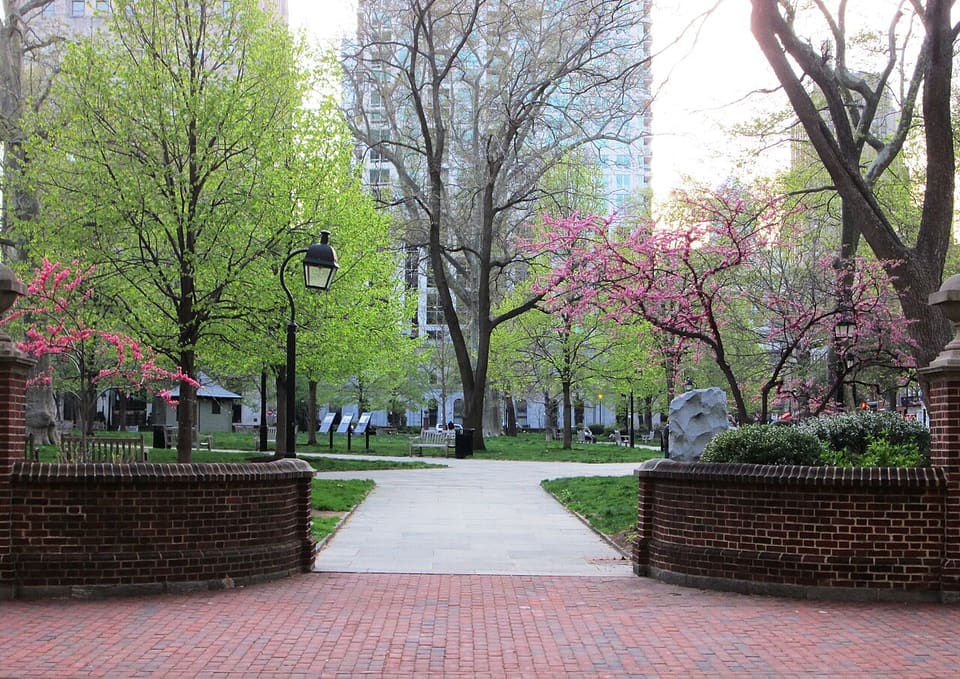
Washington Square, PhiladelphiaPhoto: Beyond My Ken, CC BY-SA 4.0, via Wikimedia Commons
Park · Philadelphia

Why is Philadelphia's Washington Square called that?

West Washington Square, Philadelphia, Pennsylvania

Washington Square was named for George Washington in 1825. It was originally called Southeast Square, one of five open squares Thomas Holme set aside when he laid out Philadelphia's grid for William Penn in 1682. The square had closed as a cemetery in 1815.

  • 1 story
  • On 1 tour

The story of Washington Square

Free previewStop 3 of Philadelphia Walking Tour: Independence Hall to Elfreth's Alley

The Soldier Nobody Can Name

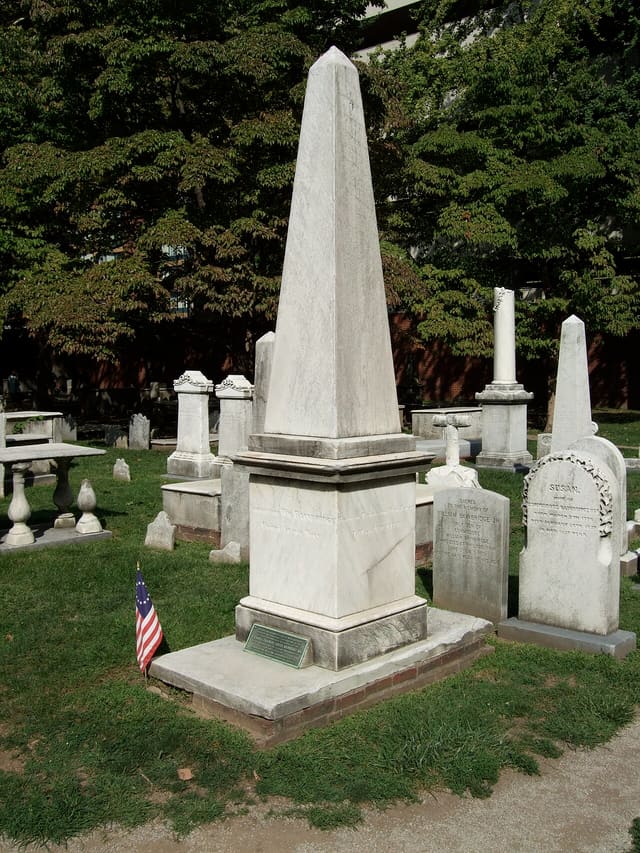
You're standing in Washington Square, six and a half acres of lawn and trees in Center City. Find the bronze statue of George Washington and the long stone wall behind him. That's the Tomb of the Unknown Revolutionary War Soldier. And the ground around you is the reason it's here.

When William Penn's surveyor, Thomas Holme, laid out Philadelphia's grid in 1682, he set aside five open squares. This one was called Southeast Square. Two creeks cut it into triangles, they joined to make a fishing pond, and the neighbors grazed their cows here.

By the early 1700s it was also a burial ground. The northwestern portion was the potter's field, for the poor and for strangers. The southeastern section was for Catholics.

Then the Revolution filled it.

That's the opening. The rest plays at stop 3 of Philadelphia Walking Tour: Independence Hall to Elfreth's Alley (3 min). Unlock the tour to hear it all, or try stop 1 free first.
The tour that stops here

Stop 3 of 9 on Philadelphia Walking Tour, between Liberty Bell and Carpenters' Hall.

Near Washington Square

1050 ft away

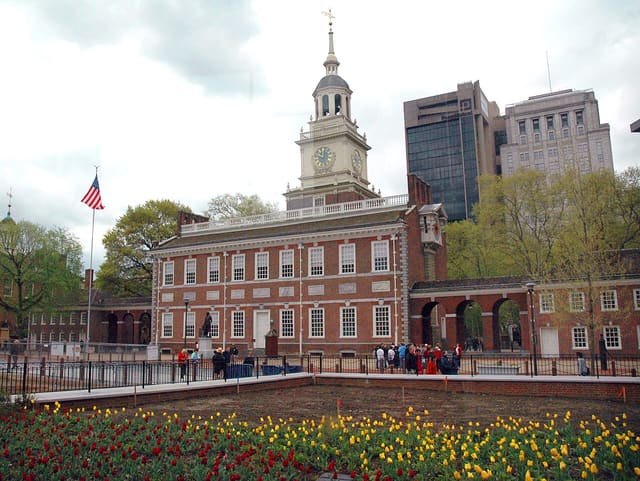
Independence Hall

Before the State House was built, its site had been a camp for American Indians.

0.2 mi away

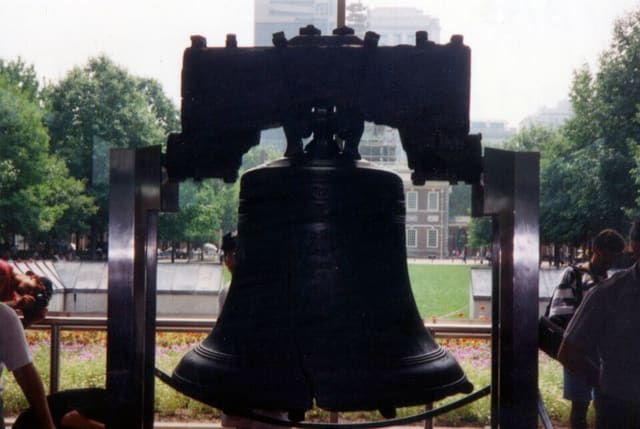
Liberty Bell

Abolitionists gave the Liberty Bell its name in the 1830s.

0.3 mi away

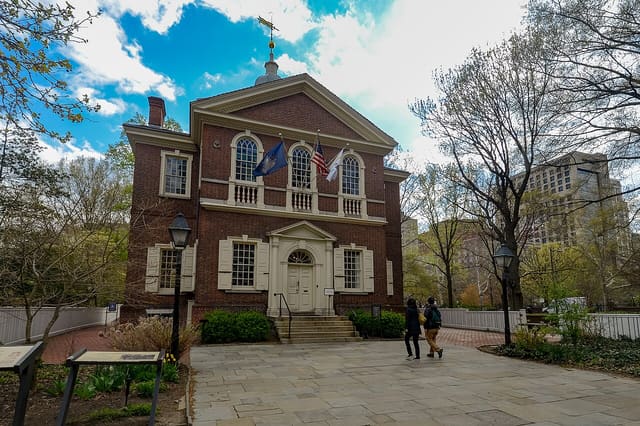
Carpenters' Hall

The First Continental Congress met here just after the hall was finished in 1774.

0.4 mi away

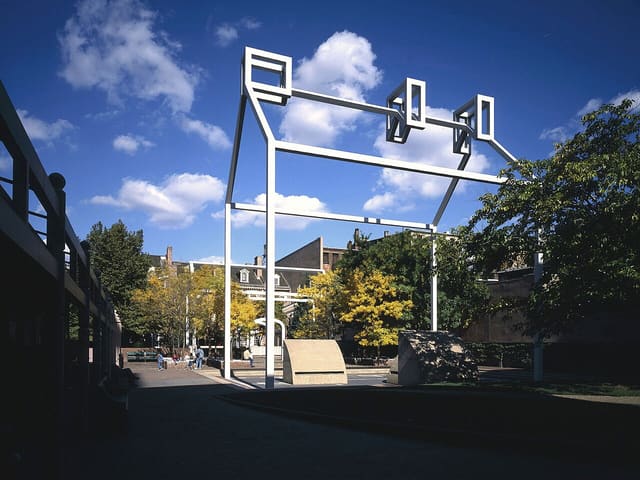
Franklin Court

Franklin's house was demolished in 1812 to make way for income-producing property.

0.5 mi away

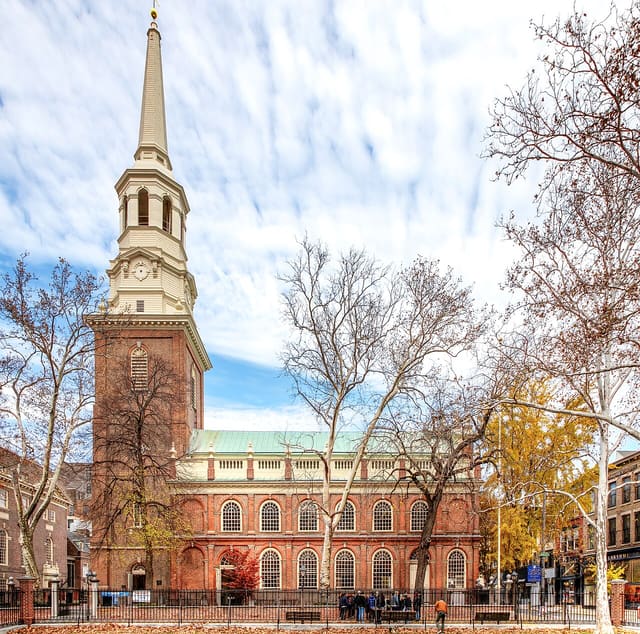
Christ Church

Christ Church's steeple was once the tallest building in what would become the United States.

0.6 mi away

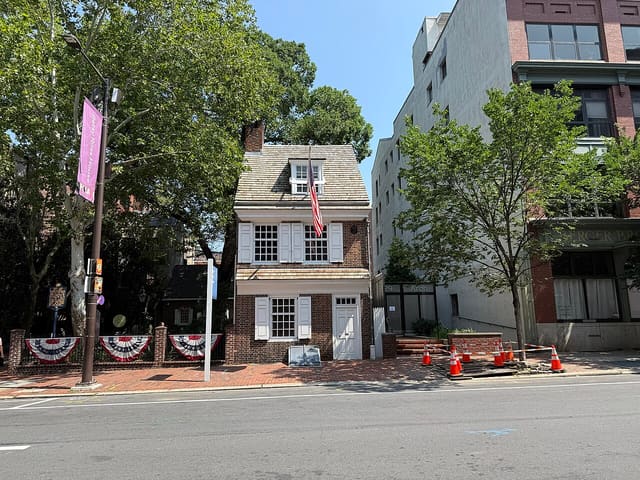
Betsy Ross House

Betsy Ross’s likely home stood next door—and was torn down to lessen fire hazards.

0.7 mi away

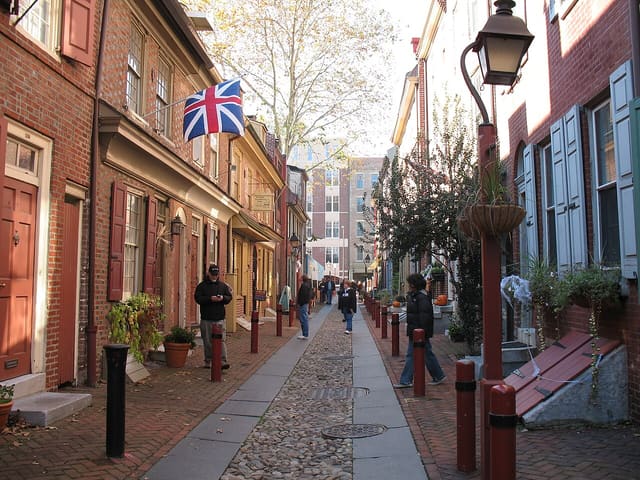
Elfreth's Alley

Two neighbors gave strips of land to create the alley around 1703.

Sources