Stories
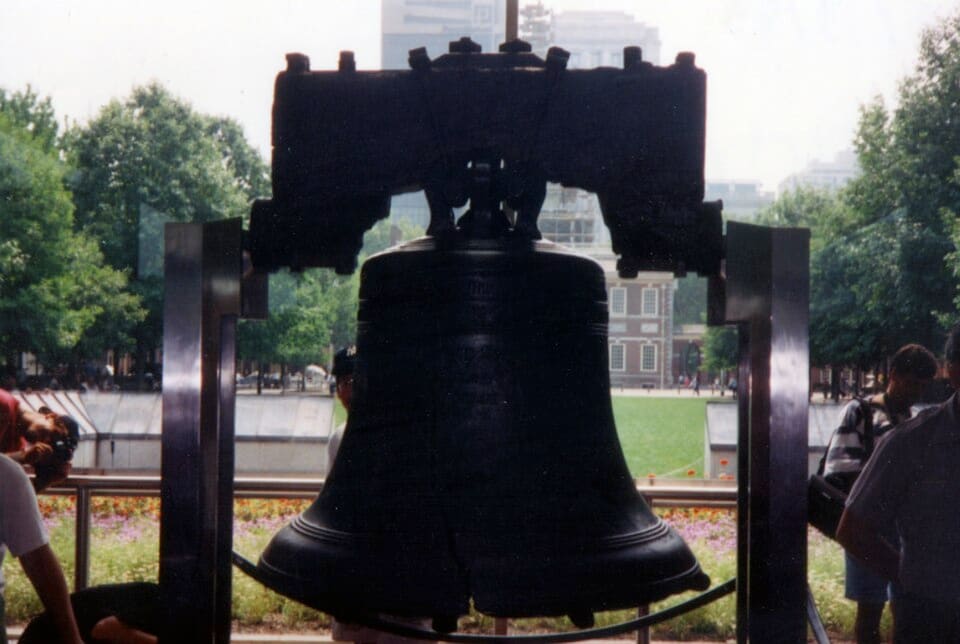
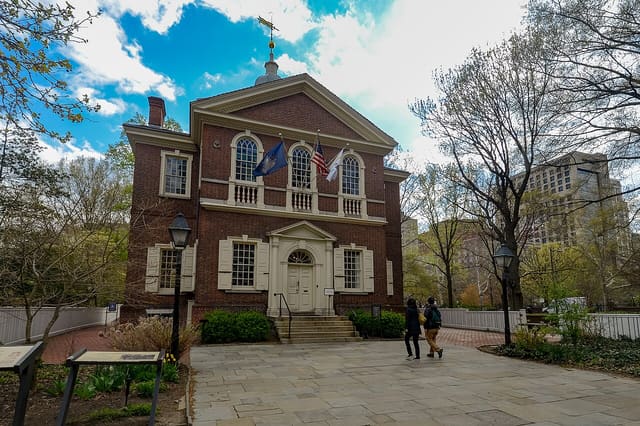
Liberty Bell, PhiladelphiaPhoto: InSapphoWeTrust from Los Angeles, California, USA, CC BY-SA 2.0, via Wikimedia Commons
Place · Philadelphia

How did the Liberty Bell get its name?

526 Market Street, Philadelphia, Pennsylvania

The Liberty Bell got its name from abolitionists, who adopted it as a symbol in the 1830s. Its inscription proclaims liberty throughout the land to all its inhabitants. Isaac Norris ordered the bell from London in 1751 for the Pennsylvania State House tower.

  • 1 story
  • On 1 tour

The story of Liberty Bell

Free previewStop 2 of Philadelphia Walking Tour: Independence Hall to Elfreth's Alley

The Bell That Abolitionists Renamed

You've just crossed from Independence Hall, and you're at the Liberty Bell Center. Through the glass, find the bell itself, and look past the famous crack to the band of letters near the top: "Proclaim Liberty throughout all the Land unto all the Inhabitants thereof." Those words are why this bell is famous, and for a long time nobody called it by that name.

The bell was ordered from London in 1751 by Isaac Norris, speaker of the Pennsylvania Assembly, for the new tower of the State House. Norris specified the line, and cited Leviticus alongside it. The bell arrived in August 1752. The Assembly had been waiting to hang it, and when it was mounted on a stand to test the sound, the first strike of the clapper cracked the rim.

Two local founders offered to fix it. John Pass headed an iron foundry in Mount Holly, New Jersey.

That's the opening. The rest plays at stop 2 of Philadelphia Walking Tour: Independence Hall to Elfreth's Alley (3 min). Unlock the tour to hear it all, or try stop 1 free first.
The tour that stops here

Stop 2 of 9 on Philadelphia Walking Tour, between Independence Hall and Washington Square.

Near Liberty Bell

200 ft away

Independence Hall

Before the State House was built, its site had been a camp for American Indians.

1050 ft away

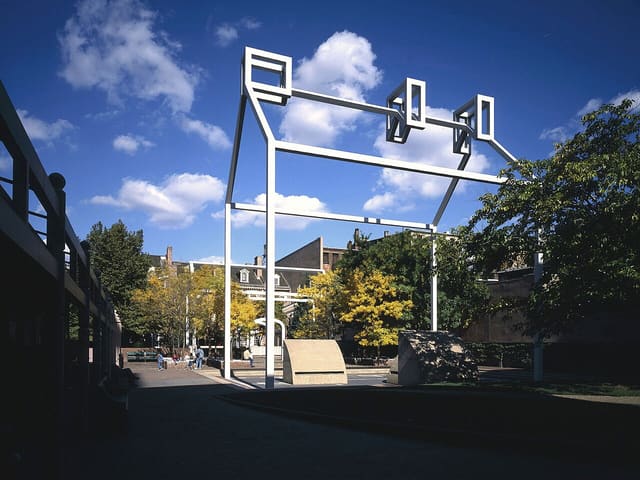
Franklin Court

Franklin's house was demolished in 1812 to make way for income-producing property.

0.2 mi away

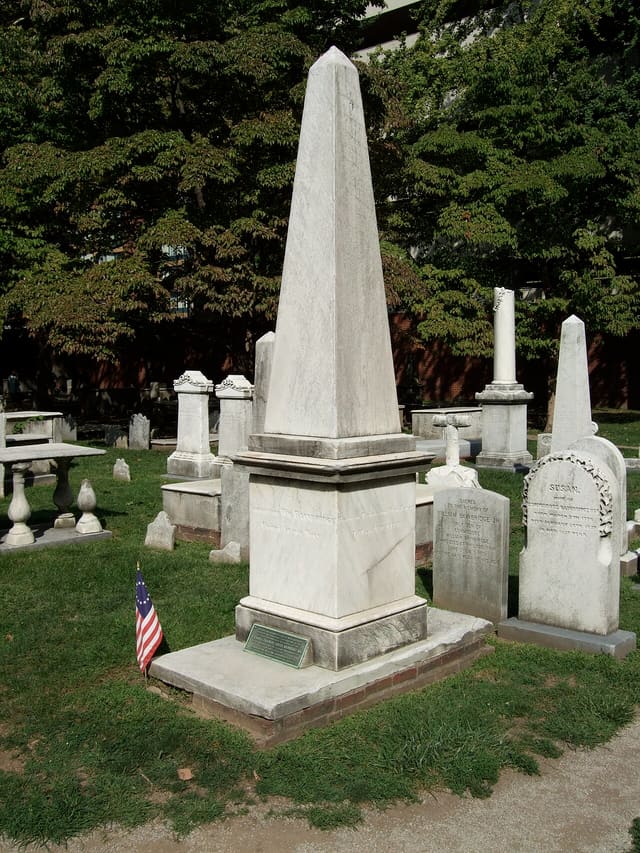
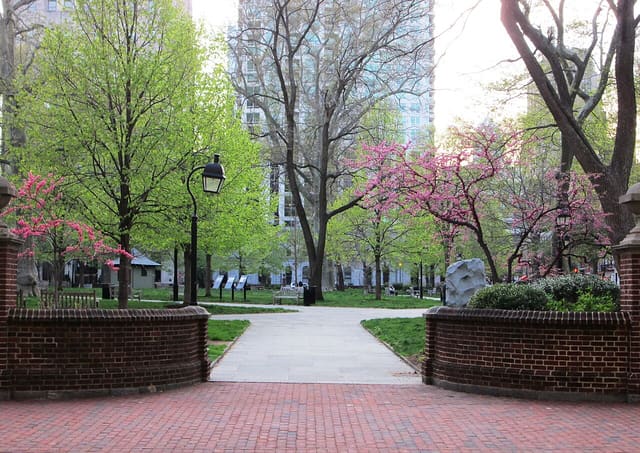
Washington Square

The soldier in Washington Square's tomb may have fought for either the Colonial or British side.

0.4 mi away

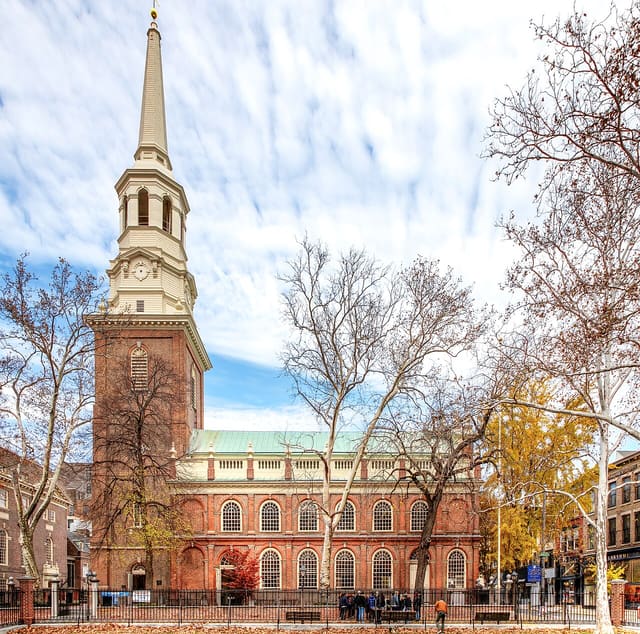
Christ Church

Christ Church's steeple was once the tallest building in what would become the United States.

0.4 mi away

Betsy Ross House

Betsy Ross’s likely home stood next door—and was torn down to lessen fire hazards.

0.5 mi away

Elfreth's Alley

Two neighbors gave strips of land to create the alley around 1703.

Sources