 Photo: Warren LeMay from Covington, KY, United States (CC0), via Wikimedia Commons
1Start hereFree
Charleston City Market
A Market That Has to Stay Forever
Free sample · 2:51You're standing on Meeting Street in front of Market Hall, the temple-fronted building at the head of the Charleston City Market. Look up past the double flight of stairs and the four columns to the band of carving just under the roof. Between the grooved blocks you'll find rams' heads, alternating with the skulls of oxen. They're not decoration for its own sake. They're a sign that once meant one thing: meat for sale here.
This market began with a gift that came with strings. In 1788, Charles Cotesworth Pinckney, a Revolutionary War general, and other landowners along an old canal gave the city a strip of reclaimed marsh running from the harbor docks to Meeting Street. The terms were strict. Charleston had to lay out a Market Street and build market buildings within two years, and use the land as a market in perpetuity. The donors kept the right to take the land back if it ever stopped being one.
So the city built. The first sheds went up around 1790 and crept toward the water, and by 1806 they filled most of the strip. Beef, fish and produce had their own sections. Much of that food came from plantations worked by enslaved people, and the wealth behind the whole city rested on them. But one thing worth knowing: people were not auctioned here. That's a common mix-up. The sales happened at places like the Old Slave Mart, your next stop.
The market was also where working Charlestonians gathered to drink and play games. And it had a cleanup crew. Vultures picked over the meat scraps, and they were protected by law, still a common sight into the 20th century.
In 1838 a fire destroyed the old headhouse, and local architect Edward B. White designed this one, finished in 1841, borrowing from ancient Greek and Roman temples. A temple, in other words, to the butcher's trade. Its upstairs room later became a recruiting office when the Civil War broke out, and since 1899 the United Daughters of the Confederacy have kept a Confederate museum up there.
Here's the turn. By 1900 the food sellers were drifting away, and the City Council voted in 1904 to tear down the eastern sheds and plant an ornamental park. Business leaders wanted a freight station instead. Preservationists pushed back, and in 1905 the council settled on a compromise: whitewash the eastern sheds and keep them as a covered walkway until someone thought of a better use.
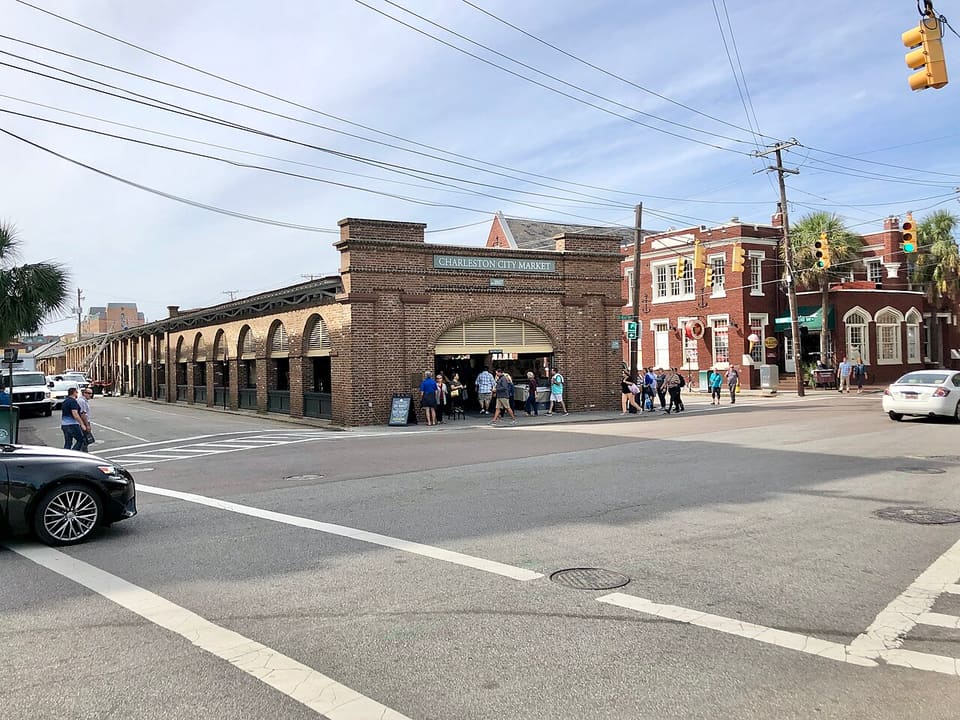
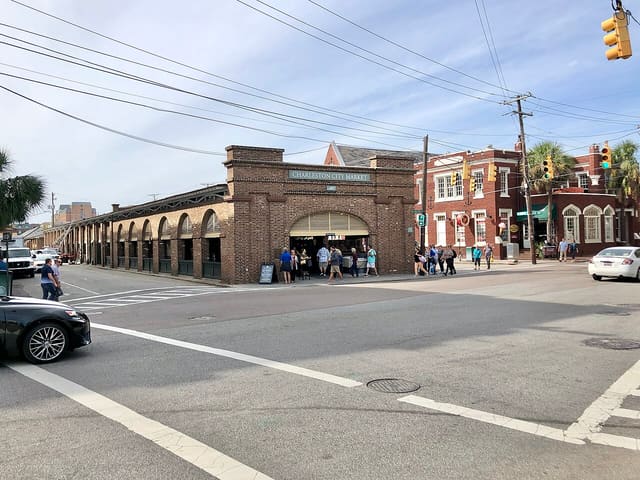
Someone did. Walk inside and the sheds still run four blocks, about 1,240 feet, all the way to East Bay Street. Today you'll find more than 300 vendors, including Gullah women weaving sweetgrass baskets by hand. It's still a market, just as Pinckney's deed demands.
When you're ready, walk south about nine minutes to the Old Slave Mart, the auction gallery that this market is so often mistaken for.
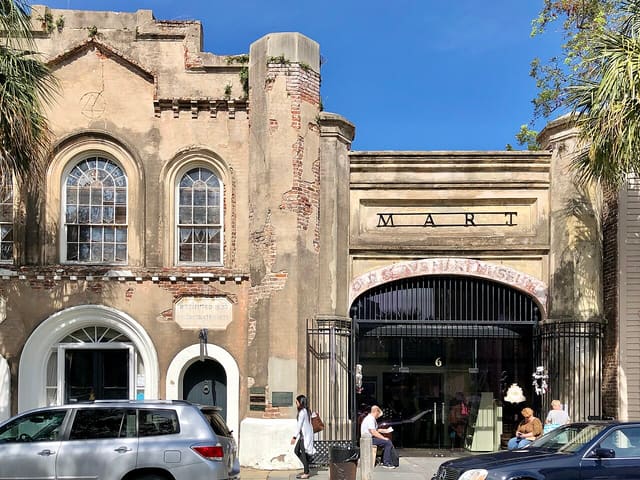 Photo: Warren LeMay from Covington, KY, United States (CC0), via Wikimedia Commons
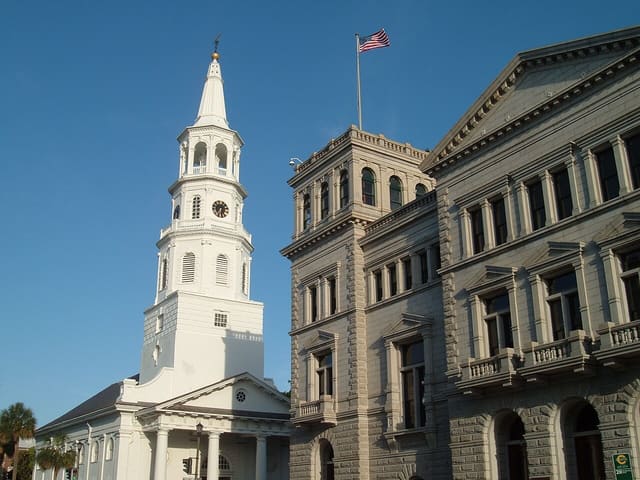 Photo: Brian Zinnel, CC BY-SA 4.0, via Wikimedia Commons
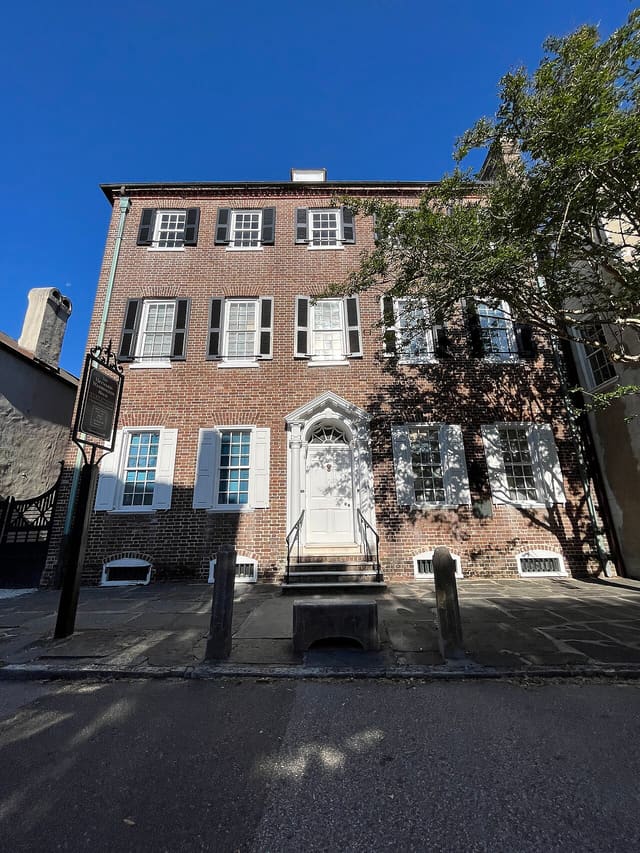 Photo: Riis2602, CC BY-SA 4.0, via Wikimedia Commons
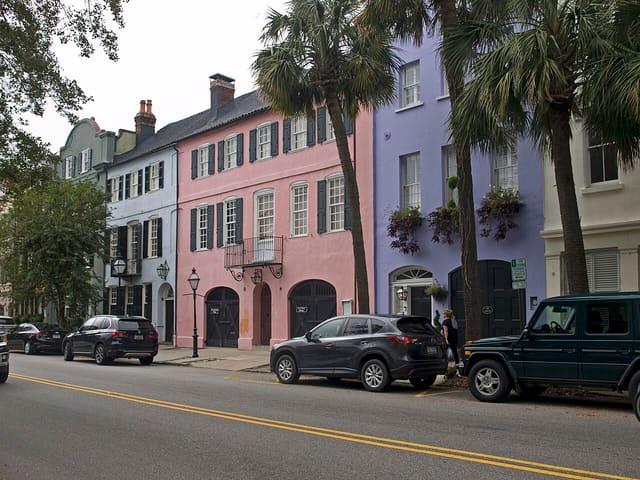 Photo: Ymblanter, CC BY-SA 4.0, via Wikimedia Commons
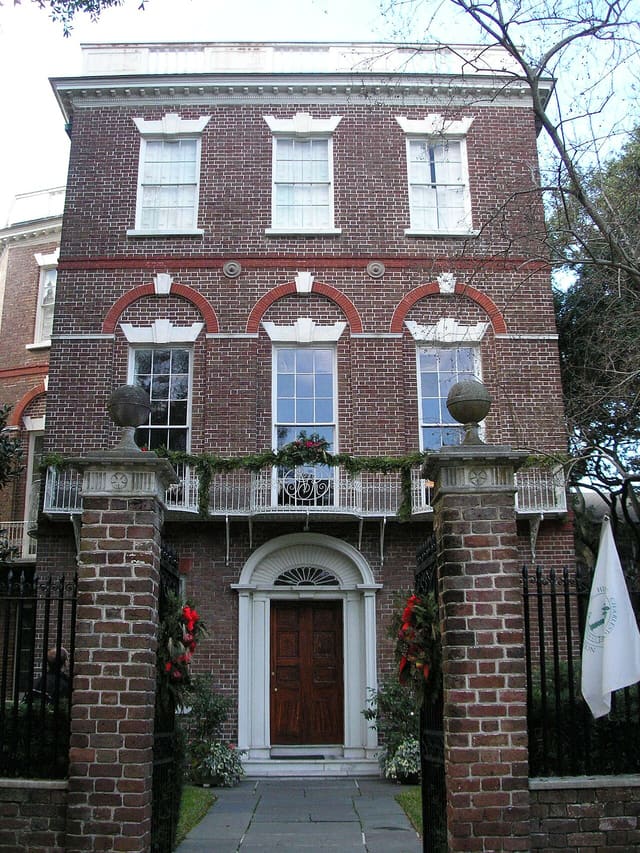 Photo: Dima Sergiyenko; Please attribute this image as the work of "DiscoverWithDima.", CC BY-SA 4.0, via Wikimedia Commons
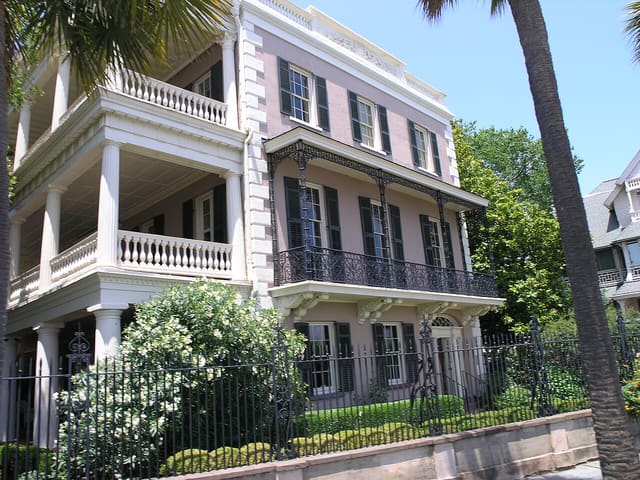 Photo: Daniel Mayer, CC BY-SA 3.0, via Wikimedia Commons
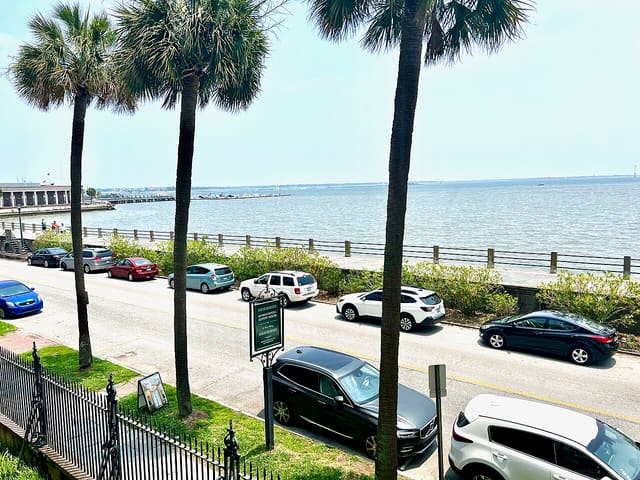 Photo: Eagledj, CC BY-SA 4.0, via Wikimedia Commons