Stories
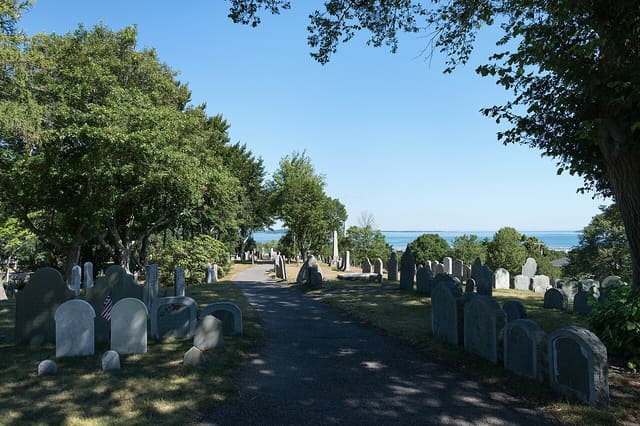
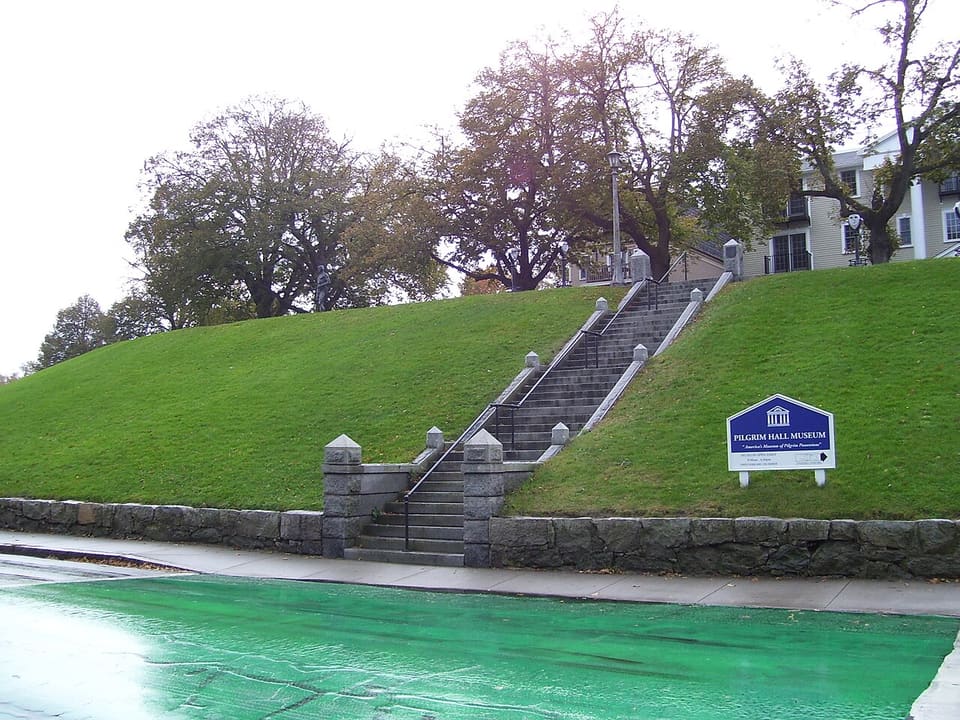
Cole's Hill, PlymouthPhoto: Swampyank at en.wikipedia, CC BY-SA 3.0, via Wikimedia Commons
Cemetery · Plymouth

How did Cole's Hill get its name?

12 Carver Street, Plymouth, Massachusetts

Cole's Hill is named for James Cole, who arrived in 1633 and kept a tavern on the hill in the 1640s. The hill was also the Pilgrims' first burial ground, with an estimated 45 to 50 burials. John Carver, the colony's first governor, may be buried there.

  • 1 story
  • On 1 tour

The story of Cole's Hill

Free previewStop 5 of Plymouth Walking Tour: Plymouth Rock and the Pilgrims

The Hill That Forgot Its Dead

You've just climbed up from Plymouth Rock, and the grassy rise you're on now is Cole's Hill. Look for the bronze figure of a Wampanoag leader on the hill, and then find the granite box at the southern end. That stone box is a sarcophagus, and there are people inside it.

In the winter of 1620, the Mayflower passengers came ashore into a cold they weren't ready for. Of about 100 who arrived, roughly half were dead by spring. This hillside was where they buried them. John Carver, the colony's first governor, may lie somewhere under this grass. So may Rose Standish, the wife of Myles Standish, and Mary Allerton, and William Mullins. The total may have been between 45 and 50 burials, above the bay.

Then the hill lost its identity as a cemetery.

That's the opening. The rest plays at stop 5 of Plymouth Walking Tour: Plymouth Rock and the Pilgrims (3 min). Unlock the tour to hear it all, or try stop 1 free first.
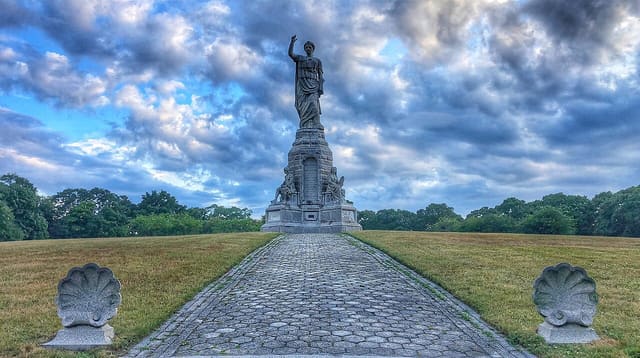
The tour that stops here

Stop 5 of 9 on Plymouth Walking Tour, between Plymouth Rock and Leyden Street.

Near Cole's Hill

250 ft away

Plymouth Rock

Two accounts of the Pilgrims' landing make no mention of a rock.

600 ft away

Leyden Street

Leyden Street was named for the Dutch city where the Pilgrims lived as refugees.

0.3 mi away

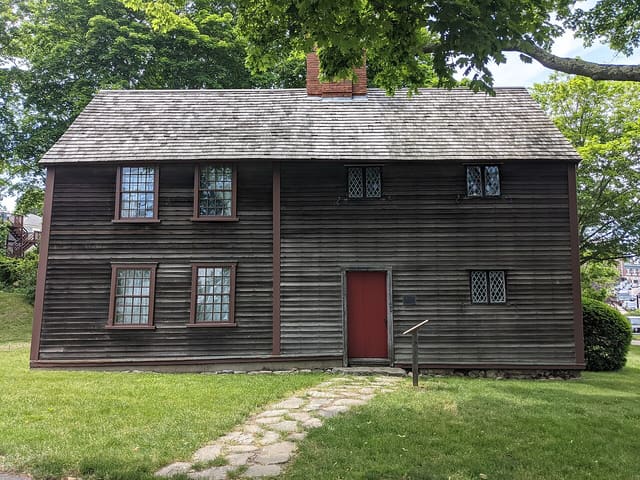
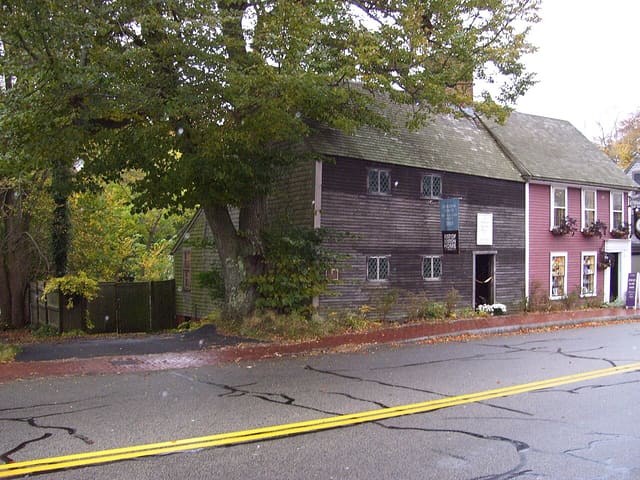
Richard Sparrow House

Richard Sparrow built the house around 1640, but he didn't arrive on the Mayflower.

0.3 mi away

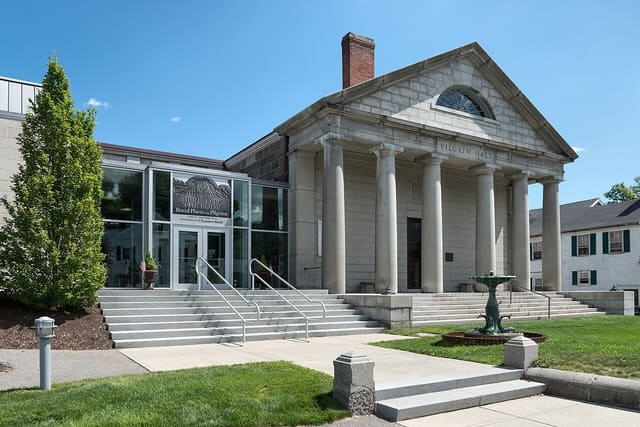
Pilgrim Hall Museum

The top part of Plymouth Rock sat in front of Pilgrim Hall for decades.

Sources