Stories
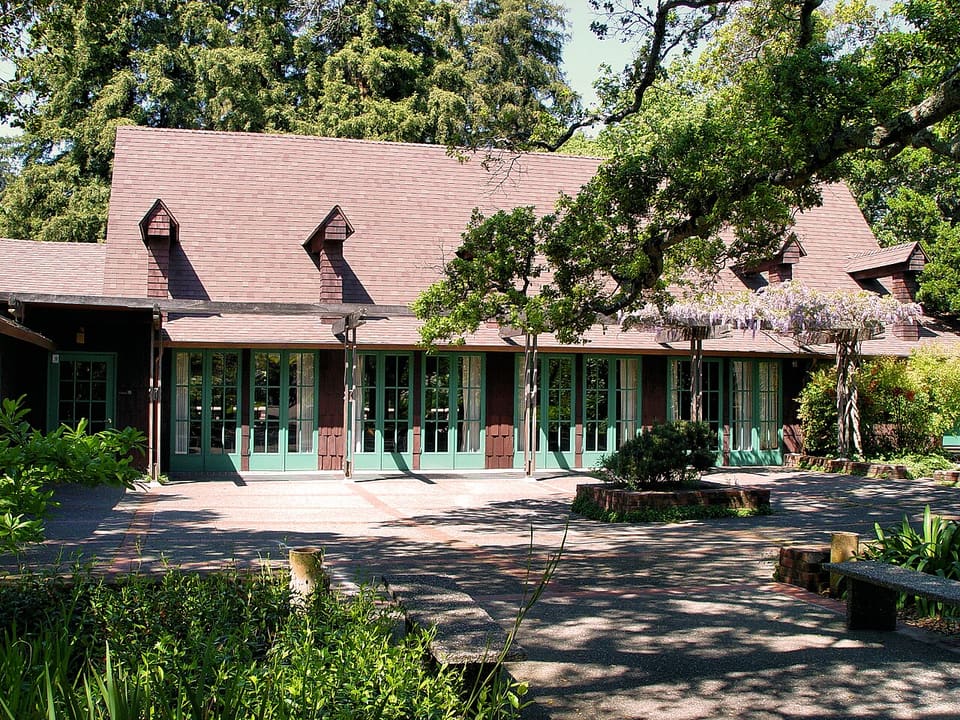
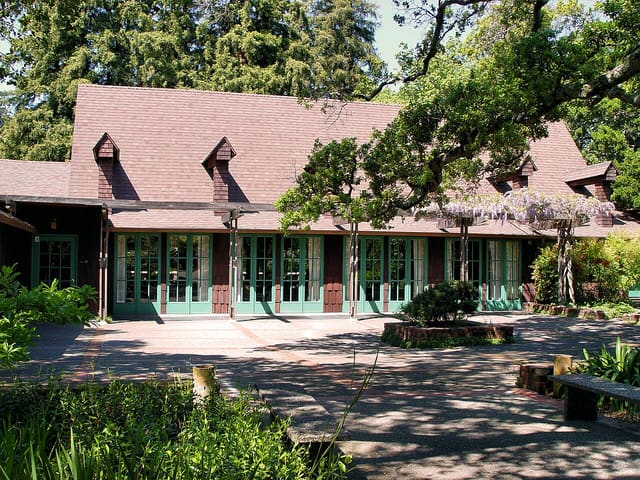
Outdoor Art ClubPhoto: Bento00 (Public domain), via Wikimedia Commons
Walking tour · Mill Valley

Mill Valley Walk: Downtown and Old Mill Park

A sawmill, a crooked railroad, and the women who saved the redwoods

32 min5 stops0.7 mi

Start the walk

Stop 1 is free, no sign-up. All 5 for $4.99, refunded within 7 days if it isn't for you.

See the 5 stops

The 5 stops

  1. 1Start hereFree

    Outdoor Art Club

    Thirty-Five Women and a Redwood Roof

    Free sample · 2:09
    0:002:09

    You're standing outside the Outdoor Art Club, at 1 West Blithedale Avenue in downtown Mill Valley. Take a look at the clubhouse in front of you, and especially at its roof. The people who wanted this building were 35 women who couldn't yet vote.

    In 1902, Mill Valley was a young town with a train depot just a few minutes' walk from where you're standing. Large redwoods grew near that depot, and they were being removed. A group of 35 local women decided that was worth organizing over. They founded the Outdoor Art Club, dedicated to preserving the area's natural environment.

    Consider what those women were up against. In 1902, women in California had no vote. That wouldn't come until 1911. So if you wanted a say in what your town looked like, you couldn't elect anyone. You built an organization instead. The club drew on the City Beautiful movement of the 1890s, which promoted the civic value of public beauty. These women took that idea and pointed it at their own redwoods.

    Shortly after founding the club, the members commissioned a clubhouse that would reflect their values of nature, beauty and community. It was designed in 1904 by Bernard Maybeck, one of California's most influential architects, who designed both the building and its grounds. Maybeck is known for using natural materials in creative ways, and the clubhouse is a classic example of Arts and Crafts style. The roof is held up by an unusual truss system, and the building is noted for it.

    The clubhouse served the whole town, not only the members. In 1904, the club established a library for townspeople here. The original library was one small room behind the stage.

    The club is still here, a member-run organization that has worked to preserve natural environments and carried out community service projects. The building was listed as California Historical Landmark number 922 in 1978, a recognition for what these women built. These days it's also a popular spot for weddings, which means Maybeck's roof has probably heard more vows than speeches.

    When you're ready, walk west on Sunnyside Avenue, about three minutes, to the Depot at Lytton Square, where the town's trains once set off up the mountain on a famously crooked line.
The whole walk

5 stories across Mill Valley

32 min · 5 stops · 0.7 mi

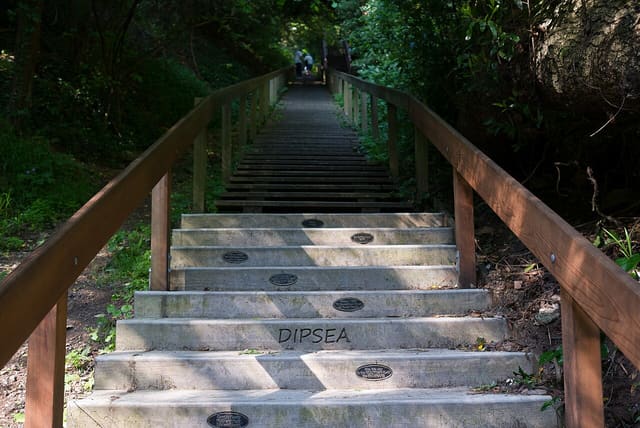
Starts at Outdoor Art Club and ends at The Dipsea Steps.

  • Plays right here in your browser, or in the app
  • One purchase for your group, on up to 4 phones
  • Refunded within 7 days if it isn't for you

Plan your walk

    How long

    About 32 min for 0.7 mi with all 5 stories. Going inside the sites adds time.

    Start and finish

    Starts at Outdoor Art Club and ends at The Dipsea Steps.

    Add it to my calendar

    Know someone who'd love this walk? or see more gift ideas.

    Questions people ask

    How long is the Mill Valley walking tour?

    About 32 minutes in all, walking 0.7 miles and listening to all five stories.

    Where does the Mill Valley walking tour start and end?

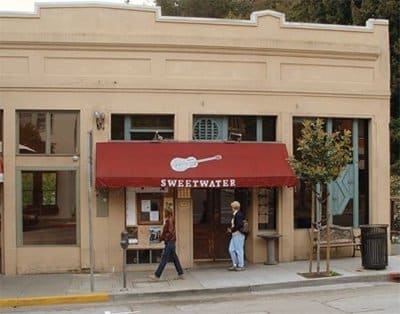
    It starts at the Outdoor Art Club and ends at the Dipsea Steps, by way of the Depot at Lytton Square, Sweetwater Music Hall and Old Mill Park.

    What is there to do in downtown Mill Valley?

    Walk the redwoods of Old Mill Park, sit in Lytton Square by the Depot (once the station for the Mount Tamalpais railway), catch a show at Sweetwater Music Hall and climb the Dipsea Steps. This walk links all four with a story at each.

    What will I learn on the Mill Valley walk?

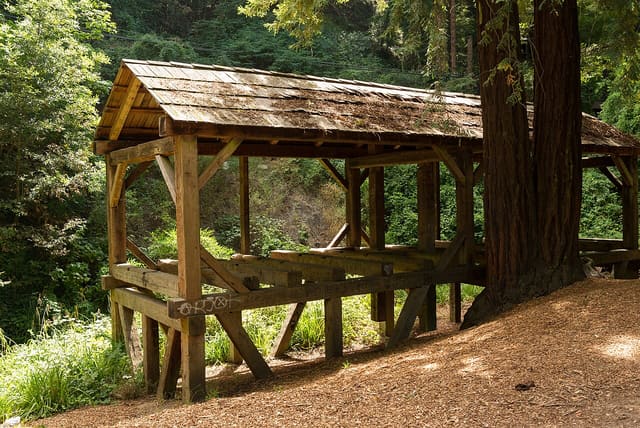
    How 35 Mill Valley women founded the Outdoor Art Club in 1902, how the "crookedest railroad in the world" climbed Mount Tamalpais from Lytton Square, and how John Thomas Reed built Marin County's first sawmill in the redwoods of Old Mill Park.

    Do I need the app?

    No. After you unlock, the tour plays right here in your browser: keep the screen on and tap each stop. The free Stories app adds GPS auto-play, so each story starts by itself when you arrive, with your phone in your pocket, and works offline.

    How many people can listen?

    One purchase covers your group on up to 4 phones. Share the link from your receipt, or everyone can sign in to the app with the same email.

    Does it work offline?

    In the app, yes: download the tour on Wi-Fi before you go. In the browser you need a signal, which is fine on most city streets; open the tour once before you leave.

    When can I start?

    Any time. It is self-guided, so there are no departure times and no group to keep up with. Pause for coffee and pick up where you left off.

    Can I give this tour as a gift?

    Yes. Tap "Give it as a gift", type their email and a note, and pick the day it arrives (Christmas morning works). They open it in their phone's browser; you get the receipt.

    Can I get a refund?

    Yes. If the tour did not work for you, email support@getstories.app within 7 days and we will refund it.

    Who made this tour?

    Stories writes each tour from public sources, checks every claim against them, and narrates it with a synthetic voice. The sources are listed at the end of this page; if you spot a mistake, tell us at support@getstories.app.

    About this tour and its sources

    You're standing in front of the Outdoor Art Club, in downtown Mill Valley. Look at the clubhouse and the trees around it. Thirty-five Mill Valley women founded this club in 1902, and what set them off was the removal of large redwoods near the train depot.

    That is the knot at the center of this walk. Mill Valley is named after a sawmill, a place built to turn trees into lumber. Yet these women organized to save trees. So how did a town named for cutting become a town known for saving, singing and running?

    The answers come from a railroad so crooked it was billed as the Crookedest Railroad in the World, with its longest straight stretch only 413 feet. They come from those 35 women, from a music hall where, by the club's own account, a once-in-a-lifetime show was a commonplace occurrence, from an Irishman named John Thomas Reed, whose mill gave the town its name, and from a footrace that has climbed out of this valley since 1905. Reed's mill, like the whole town, stood on the homeland of the Coast Miwok people, and that is part of the story too.

    Now, back to the clubhouse in front of you, and the women who started it.

    Written from public sources, every claim checked against them, narrated by a synthetic voice. Last checked October 2026.

    Share this walk