Stories
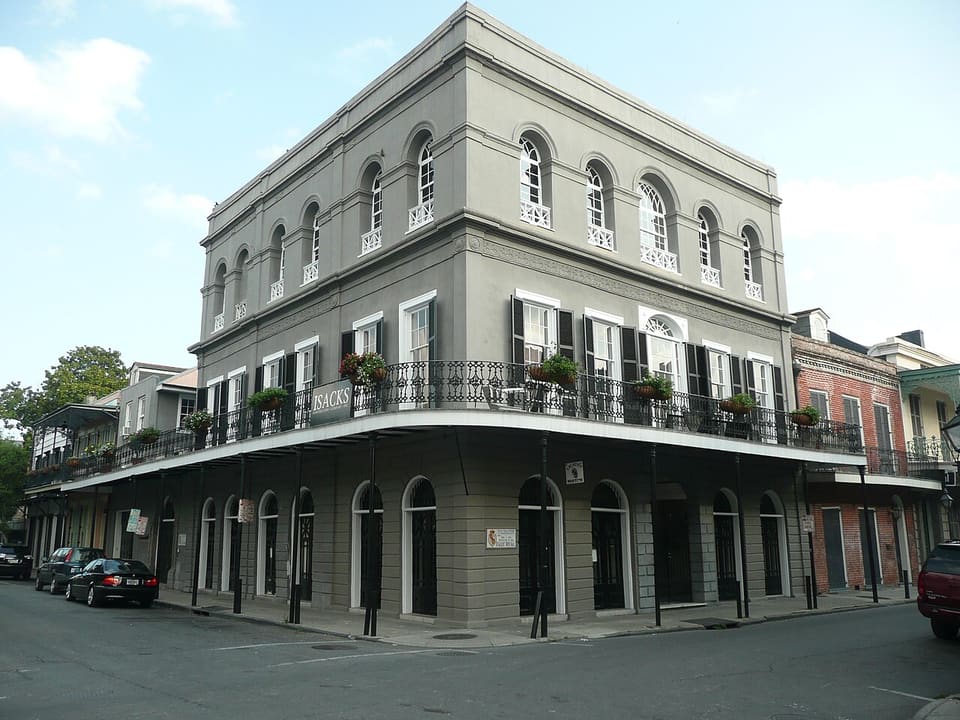
LaLaurie Mansion, New OrleansPhoto: Reading Tom, CC BY 2.0, via Wikimedia Commons
Place · New Orleans

LaLaurie Mansion

1140 Royal Street, New Orleans, Louisiana

The LaLaurie Mansion is at 1140 Royal Street, at Governor Nicholls Street in the French Quarter, where Madame Delphine LaLaurie built her house in 1832. On April 10, 1834, a kitchen fire led rescuers to enslaved people bound in her attic. A mob wrecked the house and she fled to France. Rebuilt after 1838, it's a private home.

  • 1 story
  • On 1 tour

The story of LaLaurie Mansion

Free previewStop 6 of Haunted French Quarter Walking Tour

The Cook Who Set the Fire

You're on Royal Street at the corner of Governor Nicholls, and the big house in front of you, 1140 Royal, is the one every ghost tour in New Orleans stops for. Look up at its top floor. The worst of this story is said to have happened in an attic, though, as you'll hear, not in these exact walls.

Delphine LaLaurie was a New Orleans socialite, born here in 1787 into one of the city's most prominent Creole families. Her uncle by marriage had been the Spanish governor. Her cousin became mayor. In 1831 she bought this lot in her own name, and the next year she had a mansion built here with attached quarters for the people she enslaved. Visitors saw lavish parties, and a woman who was, in public, polite to the people she held.

But the funeral registers tell a different story.

That's the opening. The rest plays at stop 6 of Haunted French Quarter Walking Tour (3 min). Unlock the tour to hear it all, or try stop 1 free first.
LaLaurie Mansion history, in dates

YearWhat happened
1831Delphine LaLaurie buys the lot at 1140 Royal Street.
1832A two-story mansion is built there.
April 10, 1834A kitchen fire brings rescuers, who find enslaved people bound in the attic. A mob wrecks the house and she flees to France.
After 1838Pierre Trastour rebuilds the ruin. A third floor and a rear building are added later in the 1800s.
2007Nicolas Cage buys the house for $3.45 million.
2009He loses it to foreclosure.
2010It changes hands again and has been privately owned since.

Visiting

Admission

A private home, not open to the public. You see it from the sidewalk.

Tip

1140 Royal Street, at the corner of Governor Nicholls Street in the French Quarter. Ghost tours stop outside at night; please don't block the door. Stop 6 of the Haunted French Quarter walk.

Checked November 2026. Check the official site before you go.

LaLaurie Mansion: questions people ask

Can you go inside the LaLaurie Mansion?

No. It's a private home, so you can only see it from the street, at the corner of Royal and Governor Nicholls. Ghost tours stop outside, and so does this self-guided walk.

Does Nicolas Cage still own the LaLaurie Mansion?

No. Cage bought it in 2007 for $3.45 million and lost it to foreclosure in 2009. It has been privately owned since 2010.

Is the LaLaurie Mansion the original house?

Not quite. After the 1834 fire exposed Delphine LaLaurie's torture of the people she enslaved, a mob wrecked the house. It was rebuilt after 1838, and a third floor was added later in the 1800s.

What happened at the LaLaurie Mansion?

On April 10, 1834, a fire broke out in the kitchen. Rescuers found enslaved people bound and abused in the attic. Delphine LaLaurie fled to France and was never tried.

The tour that stops here

Ghost walk
New Orleans, Louisiana

Haunted French Quarter Walking Tour

Walk the French Quarter from a grand hotel to an old convent and storied house.

55 min · 8 stops · 1.1 mi · $4.99

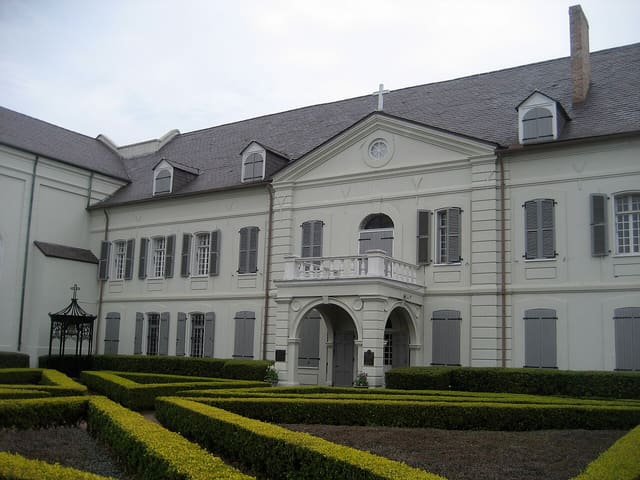
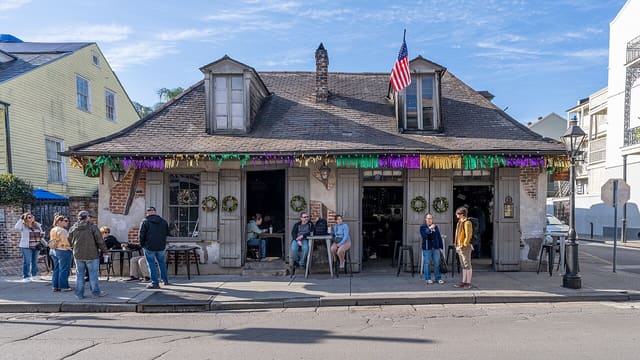
Stop 6 of 8 on Haunted French Quarter Walking Tour, between Lafitte's Blacksmith Shop and Old Ursuline Convent.

More walks in New Orleans

All of New Orleans →

Near LaLaurie Mansion

400 ft away

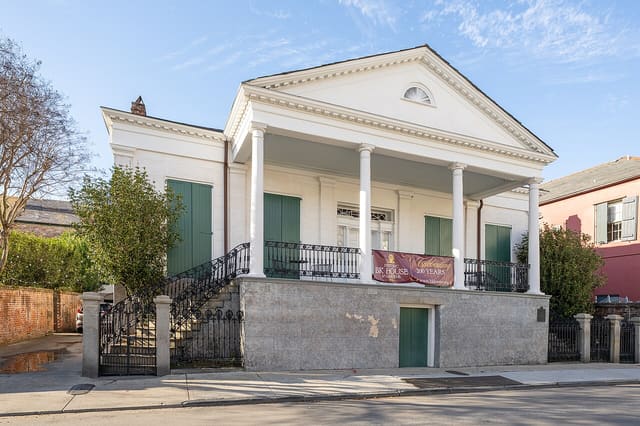
Beauregard-Keyes House

Beauregard and his second wife spent their honeymoon in the house as tenants.

0.3 mi away

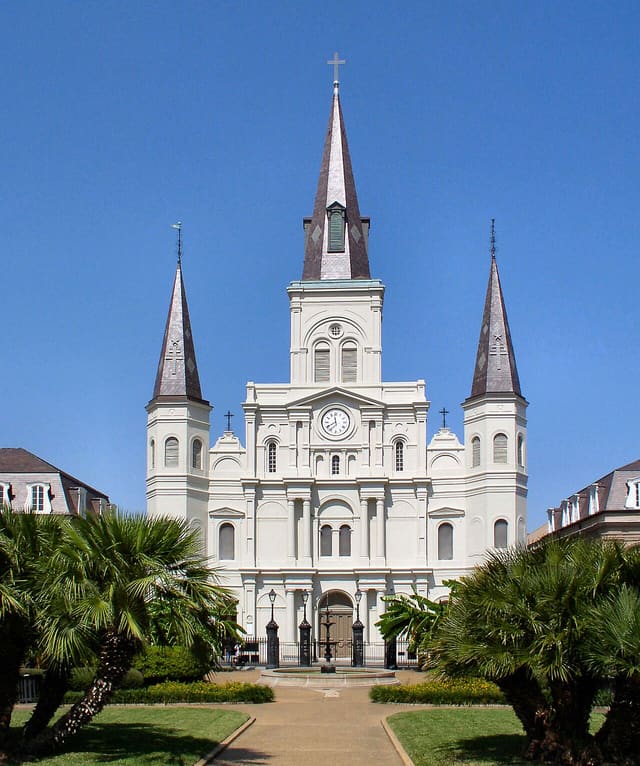
St. Louis Cathedral

A bell named Victoire still hangs in the cathedral, commemorating the Battle of New Orleans.

0.3 mi away

The Cabildo

An upstairs room at the Cabildo was where Plessy v. Ferguson was heard.

Sources